

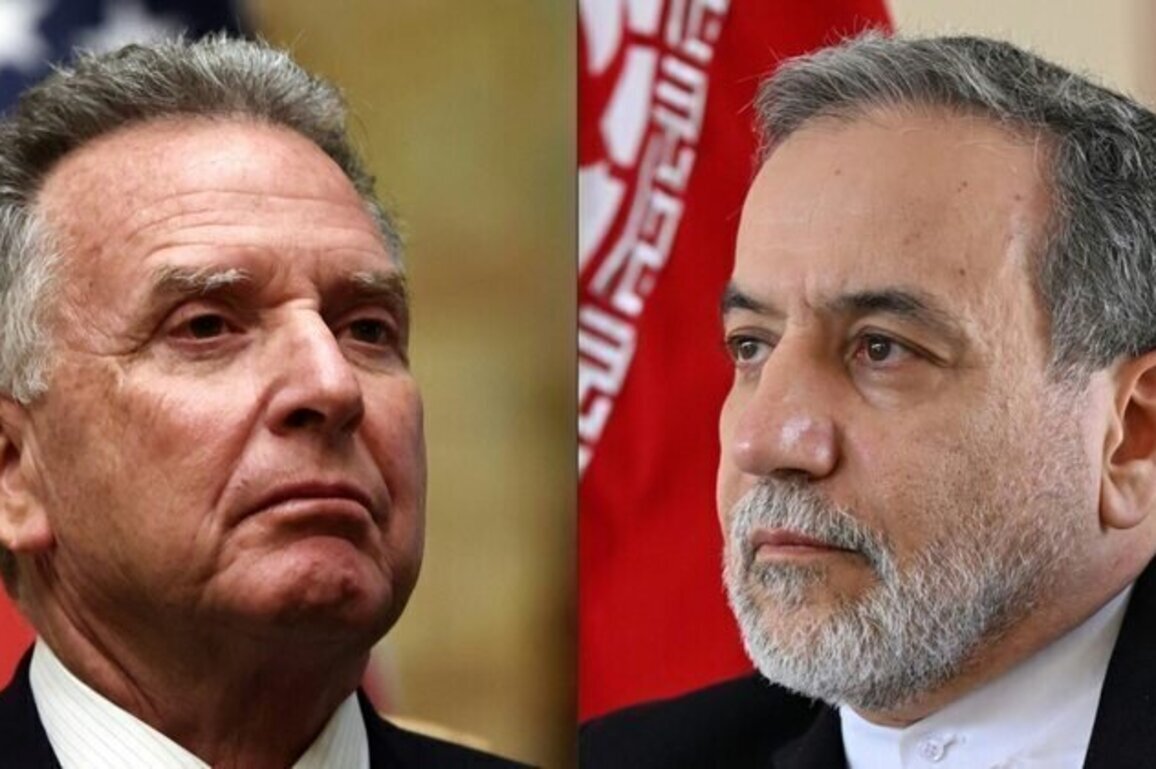
Iran says a round of talks in Oman with the United States was a good start as the two sides look to overcome a "wall of mistrust" to bring down rising tensions that have sparked fears of a major military escalation in the Persian Gulf.
"It was a good start to the negotiations. And there is an understanding on continuing the talks. Coordination on how to proceed will be decided in the capitals," Foreign Minister Abbas Araqchi told Iranian state TV after the indirect meeting in the Omani capital, Muscat, on February 6.
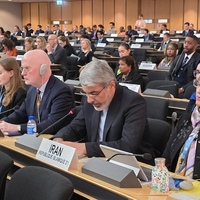
A US delegation headed by envoy Steve Witkoff, who has spearheaded talks for President Donald Trump aimed at ending conflicts from the Gaza Strip to Ukraine, discussed outstanding issues via Omani intermediaries with Araqchi, Tehran's main face on the international diplomatic front, and several other senior Iranian officials.
Following the talks, Araqchi gave few details other than to say the session focused solely on the issue of Tehran's nuclear program. "The way forward will depend on our consultations with our capitals," he said.
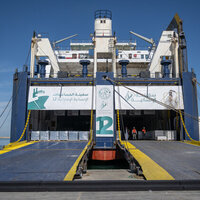
While US officials have yet to comment on the talks, the US State Department announced new sanctions on Iran's oil exports, targeting 15 entities and 14 shadow fleet vessels.
"The United States will continue to act against the network of shippers and traders involved in the transport and acquisition of Iranian crude oil, petroleum products, and petrochemical products," State Department spokesman Tommy Pigottsaidin a statement.
SEE ALSO:
The Key Sticking Points To A US-Iran Deal Aimed At Averting War
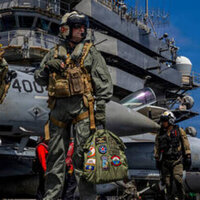
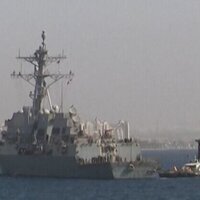
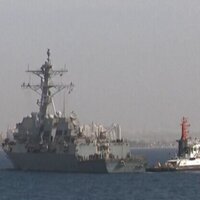
The talks were held against the backdrop of the United States moving warships into Middle Eastern waters in recent days.
"While these negotiations are taking place, I would remind the Iranian regime that the president has many options at his disposal, aside from diplomacy, as the commander-in-chief of the most powerful military in the history of the world," White House press secretary Karoline Leavitt told reporters on February 5.
The current confrontation was sparked by more than two weeks of unrest in Iran that saw authorities launch a deadly crackdown that rights groups say killed thousands of civilians and shocked the world.
As reports of the carnage trickled out of Iran -- which was plunged into digital darkness after authorities cut off all Internet access -- Trump threatened to strike Iran if any of the tens of thousands of protesters arrested were executed.
Trump has continued to keep military options on the table, though he has also focused on reining in Iran's nuclear program, which the West fears is aimed at making a bomb despite Tehran's claims that it is for civilian purposes only.
Iranian Supreme Leader Ayatollah Ali Khamenei "should be very worried," Trump said in an interview with US broadcaster NBC News on February 4.
SEE ALSO:
Live Blog: Iran, US Officials Meet In Muscat
The path to the Omani capital was anything but smooth.
After a dispute over the venue and the agenda -- with Tehran pushing for a bilateral meeting in Oman and Washington initially insisting on a multilateral summit involving regional powers in Turkey -- the Trump administration briefly called off the engagement.
However, following a flurry of "high-level" messages from at least nine regional partners, including Saudi Arabia and Egypt, the White House relented. While the United States agreed to the change of scenery to Muscat, senior officials emphasized that the change in location does not signal a change in resolve.
Secretary of State Marco Rubio, speaking from Washington on February 4, made it clear the United States is not interested in a narrow "nuclear-only" conversation.
Rubio confirmed that while the White House is prepared to engage, it has set a high bar for what constitutes a successful meeting.
"In order for talks to actually lead to something meaningful, they will have to include the range of their ballistic missiles, their sponsorship of terror organizations, and the treatment of their own people," Rubio told reporters.
Iranian Foreign Ministry spokesman Esmail Baqaei said Iran has "a responsibility not to miss any opportunity to use diplomacy to... preserve peace and tranquility in the region."
Rubio also drew a sharp line between the Iranian leadership and the public, particularly in the wake of last month's bloody crackdown on protests that started with shopkeepers in Tehran complaining about spiraling inflation and a freefall of the currency before broadening to nationwide unrest over deteriorating living standards.
"The leadership of Iran at the clerical level does not reflect the people of Iran," he said. "I know of no other country where there's a bigger difference between the people that lead the country and the people who live there."