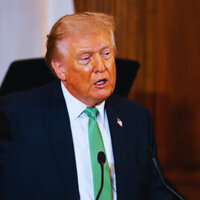


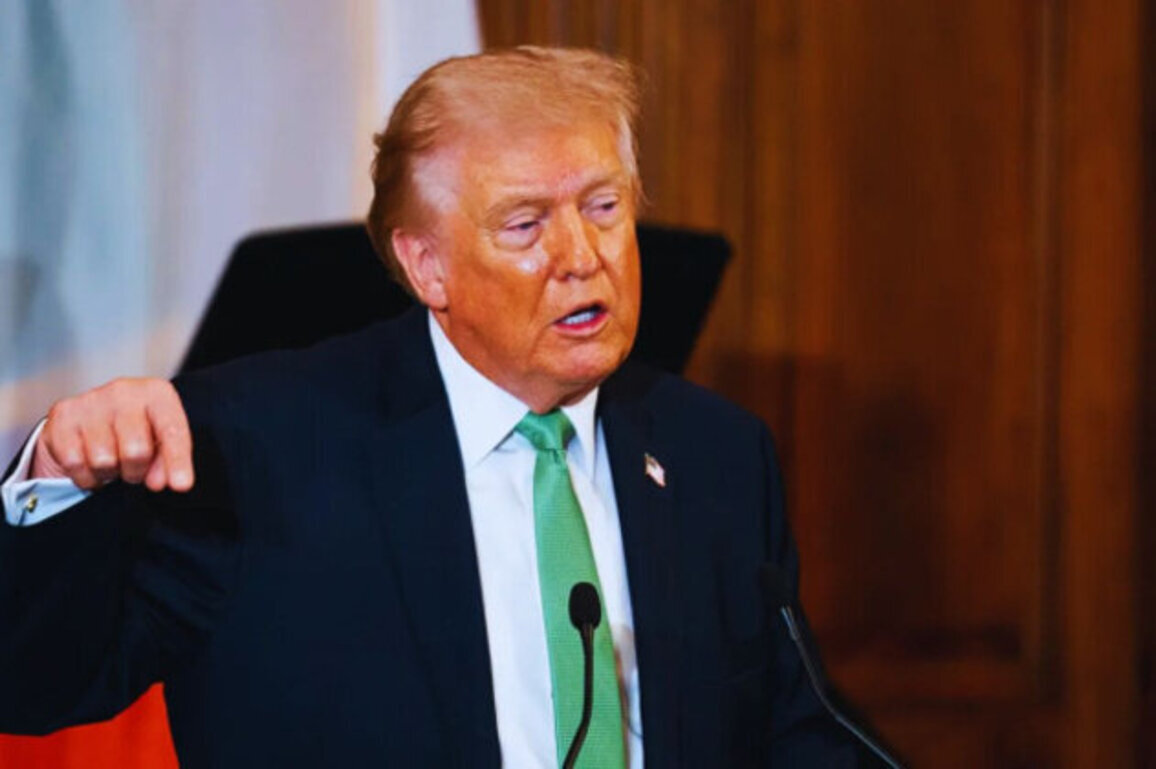
The war triggered by the US and Israel's strikes on Iran entered its 33rd day on April 1, with President Donald Trump signaling that the military phase could be nearing an end. He said the offensive might conclude within two to three weeks, while also indicating that Washington is preparing to step back from direct responsibility over the Strait of Hormuz. A prime-time address was scheduled to outline the administration's next steps.
Trump has openly voiced frustration with allies who, in his view, have not contributed enough to the campaign, urging them to secure their own energy supplies. His messaging has fluctuated in recent days, alternating between optimism about ongoing diplomatic contacts with Tehran and warnings that the conflict could still expand.
At the center of the crisis remains the Strait of Hormuz, a critical route for global oil shipments. Iran has tightened its control over traffic through the passage following the initial strikes in late February, contributing to a surge in energy prices. Roughly a fifth of the world's oil normally passes through the strait, and benchmark crude prices have climbed sharply since the conflict began, fueling volatility across global markets.
Washington has reportedly presented Iran with a multi-point proposal aimed at securing a ceasefire, including reopening the waterway. Tehran, however, has insisted on maintaining sovereignty over the strait. Trump suggested the US could disengage from policing the route altogether, arguing that responsibility should fall on countries that depend most on it, though his reference to European involvement raised questions given the region's limited reliance on that corridor.
Meanwhile, the conflict continues to spill across the region. Iran and allied groups have intensified attacks on infrastructure and strategic sites. A drone strike targeted fuel storage at Kuwait International Airport, causing a large fire, while authorities in Bahrain reported a separate blaze at a commercial facility following another strike. No casualties were immediately confirmed in either case.
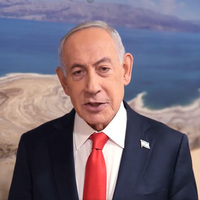
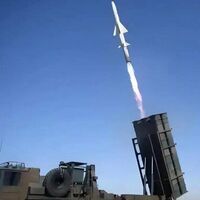
Tensions have also escalated around Israel. Yemen's Houthi movement claimed responsibility for a new missile barrage, describing it as a joint operation with Iran and Hezbollah. Israeli authorities reported multiple incoming missiles, with air defense systems activated across large parts of the country. Emergency services said a number of people were injured, including a child in serious condition.
Israeli forces, for their part, announced a broad wave of strikes on targets in Tehran, with explosions reported in several areas of the Iranian capital. The exchange underscores the widening scope of the confrontation, now involving multiple fronts and actors.
Despite signals from Washington that an end to the war may be in sight, economic pressure remains intense. Energy markets continue to react sharply, and European officials have warned that even a rapid ceasefire would not bring an immediate return to pre-war price levels, citing ongoing strain in global fuel and gas supply chains.
Diplomatic and military developments suggest the situation remains fluid, with both sides balancing escalation and negotiation. While US officials say they can see a potential end point, the combination of regional attacks, energy disruption and uncertain political outcomes indicates that the conflict's consequences may extend well beyond the battlefield.