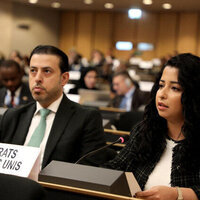


GENEVA, Switzerland: Taliban-imposed restrictions on women are endangering access to healthcare in Afghanistan, with some women denied emergency treatment and ambulance services, a U.N. human rights expert warned.
Richard Bennett, the U.N. Special Rapporteur on Afghanistan, said new regulations require women seeking medical care to follow a strict dress code, be accompanied by a male guardian, and, in some cases, be treated by male medics.
Bennett told reporters that women are frequently refused ambulance services if a male guardian does not accompany them.
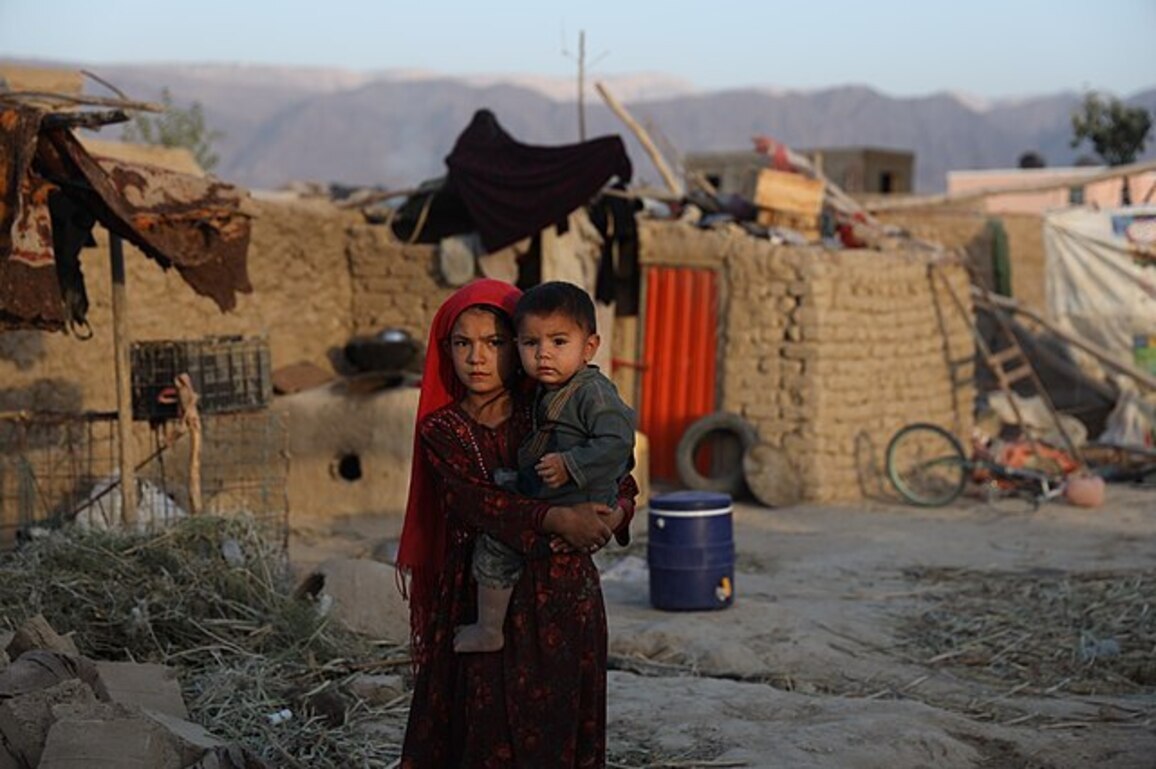
His latest report to the U.N. Human Rights Council detailed cases highlighting the consequences. In one instance, a woman was forced to give birth alone at a hospital gate because she was unaccompanied. In another case, a mother lost her four-year-old son because she could not travel alone with him to seek treatment.
"The Taliban's restrictions must be reversed; otherwise, they will be killing people," Bennett said at a press conference in Geneva.
"These policies are not isolated measures. They form an institutionalised system of gender discrimination that denies women and girls autonomy over their own bodies, health, and futures," he added.
Bennett said he shared his findings with Taliban authorities and sought their response, but received none. The Taliban has previously said it respects women's rights in line with its interpretation of Islamic law.
Since returning to power in 2021, the Taliban has barred girls from education beyond primary school and imposed a series of morality laws limiting women's expression and employment.
Healthcare has also been affected. As of last year, women made up about a quarter of Afghanistan's medical workforce. However, a ban on medical education for women has cut off the pipeline of future female healthcare workers, Bennett said, reducing the number available to treat female patients under gender-segregated policies.
"It's a completely unjustifiable policy. It puts the entire health system in jeopardy, and unless reversed, it will lead to unnecessary suffering, illness, and death," he said.
Suraya Dalil, Afghanistan's former health minister, said she was especially concerned about rising maternal health risks.
"Unfortunately, we expect higher mortality - maternal mortality (and) infant mortality - in the coming years because the health workforce is systematically restricted," she said.